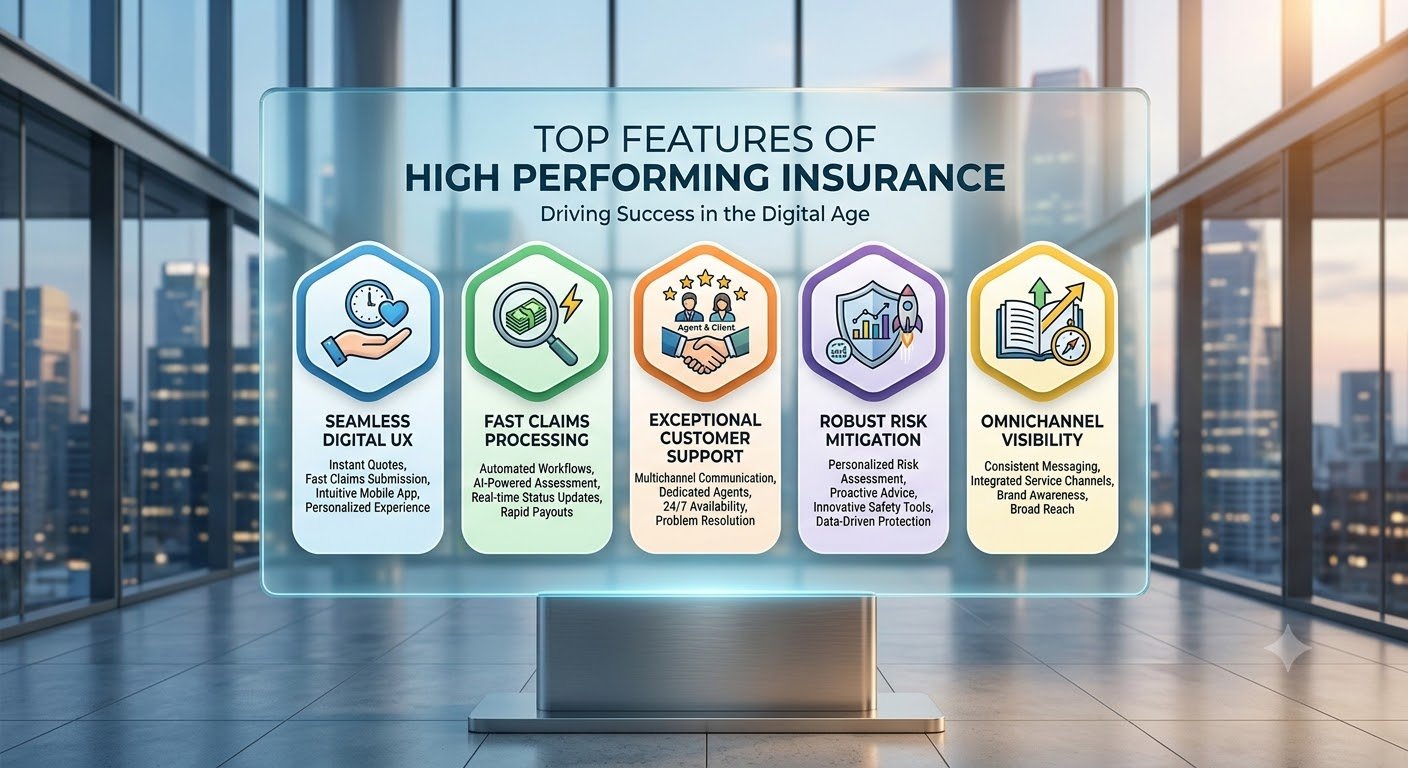
An independent insurance agency spends thousands of dollars on search campaigns and local advertising, only to watch eighty percent of web traffic bounce within ten seconds. The issue rarely lies in the ad creative or the quality of coverage offered. Instead, it stems from a fundamental disconnect between modern consumer expectations and the digital doorway presented to them.
Insurance is inherently complex, intangible, and often associated with administrative friction. When a prospective policyholder arrives at a website, they are looking for clarity, speed, and immediate reassurance. Today’s commercial and personal lines buyers no longer tolerate dense paragraphs of policy jargon, hidden phone numbers, or multi-page paper-style forms just to get a ballpark figure.
This article is designed for insurance agency owners, independent brokers, and insurance marketing directors who want to understand the modern digital landscape. By comparing High-Performing Interactive Insurance Portals against Traditional Static Brochure Websites, this breakdown highlights the essential digital features that turn passive web visitors into lifelong policyholders.
Core Feature Comparison
| Feature Dimension | High-Performing Interactive Portal | Traditional Static Brochure Site |
| Primary Objective | Immediate quote generation, self-service engagement, and direct conversion. | Brand representation, business hours listing, and basic contact options. |
| Quoting Experience | Interactive, dynamic micro-forms with real-time rate estimates. | Static PDF downloads or lengthy, multi-field email inquiry forms. |
| Customer Engagement | Self-guided coverage calculators, interactive plan comparisons, and AI guided help. | Passive text reading with static lists of policy types. |
| Trust Signal Placement | Embedded ratings, live claim statistics, and verified reviews near call-to-action buttons. | Generic text testimonials or awards hidden in the page footer. |
| Navigation Focus | Customer persona and risk type (e.g., Small Business, Homeowner). | Internal corporate structures (e.g., Underwriting, Claims, Executive Team). |
| Mobile UX | Mobile-first design with touch-friendly rating tools and instant tap-to-call options. | Desktop-first design scaled down, often causing zoom and pinch frustration on mobile devices. |
| Implementation Cost | Higher upfront investment with lower long-term cost per acquisition. | Low initial setup cost with high ongoing lost-opportunity costs. |
| Best Used For | Growth-oriented agencies seeking direct online leads and scale. | Niche, ultra-localized practices relying exclusively on offline referrals. |
Deep-Dive: Anatomy of a High-Performing Insurance Portal
High-performing insurance websites treat every visitor as someone actively trying to solve a problem or mitigate a risk. Rather than acting as a digital business card, an interactive portal functions as a twenty-four-seven automated sales advisor.
       [ Visitor Lands on Site ]
                   │
                   ▼
     ┌───────────────────────────┐
     │ Clear First Viewport CTA  │  ──> Immediate Trust Signal (4.8★ Reviews)
     └─────────────┬─────────────┘
                   │
                   ▼
     ┌───────────────────────────┐
     │  Dynamic Micro-Form Quote │  ──> Progress Bar + Saved Progress
     └─────────────┬─────────────┘
                   │
                   ▼
     ┌───────────────────────────┐
     │ Interactive Plan Matrix   │  ──> Side-by-Side Coverage Visualizer
     └─────────────┬─────────────┘
                   │
                   ▼
     ┌───────────────────────────┐
     │ Self-Service Binding/Lead │
     └───────────────────────────┘
1. Frictionless Real-Time Quoting and Micro-Inputs
The single biggest conversion point on any insurance website is the quote engine. Traditional websites fail by presenting visitors with twenty required form fields on page one—asking for social security numbers, vehicle identification numbers, and home construction details before providing any value.
High-performing portals reverse this dynamic through progressive disclosure. They begin with two or three simple questions—such as zip code and coverage type—before transitioning the user into a visual micro-form. By displaying a clear progress indicator and saving entries automatically, these portals minimize friction and drastically lower form abandonment rates.
2. Interactive Policy Calculators and Needs Visualizers
Most consumers do not fully understand how much coverage they actually require. When presented with complex insurance choices, uncertainty leads to procrastination. High-performing portals solve this by replacing dry text descriptions with interactive sliders and visual calculators.
For example, a visitor shopping for commercial general liability can adjust sliders for annual revenue, employee count, and industry category to see recommended liability limits in real time. This interactive approach transforms a confusing purchase into an empowering educational experience.
3. Contextual Social Proof and Trust Placement
In the financial services and insurance sector, trust is the primary currency. Static sites often relegate customer testimonials to a dedicated “Reviews” page or hide industry ratings in the footer.
High-performing sites place social proof directly at points of high friction—specifically right next to the quote submission button and price calculation summaries. Displaying third-party verification, such as Trustpilot ratings, AM Best financial stability grades, or real-time claim payout metrics, directly addresses visitor anxiety at the exact moment they are deciding whether to share their personal information.
4. Technical Performance and Core Web Vitals
Modern web performance directly influences both search engine rankings and conversion rates. High-performing insurance portals prioritize lightweight clean code, compressed media assets, and fast content delivery networks (CDNs) to ensure pages load in under two seconds. Because over half of all insurance research begins on a mobile phone, these platforms utilize responsive layouts that adapt effortlessly to screen sizes, ensuring tap targets are large and text is legible without zooming.
Deep-Dive: The Hidden Costs of Traditional Static Websites
Many independent insurance agencies stick with legacy static websites because they seem simple and inexpensive to maintain. However, an underperforming digital presence carries significant hidden financial costs.
Form Fatigue and High Drop-Off Rates
When a prospective client lands on a static site, getting a quote usually requires filling out a dense, rigid contact form or dialing an office landline during standard business hours. Today’s insurance buyers frequently research policies during off-hours—evenings, weekends, and lunch breaks. If your website forces them to wait for a manual callback or wade through an unstructured quote request, they will simply open a new tab and buy from a competitor who offers instant digital interaction.
Navigation Built Around Internal Jargon
Traditional insurance websites are typically structured around the agency’s internal organization rather than the buyer’s mental model. Menus feature obscure product codes, underwriting terms, or internal department names.
High-performing websites organize content around the visitor’s identity—such as “Personal Insurance,” “Small Business,” or “Specialty Coverage”—making it effortless for prospects to find relevant solutions within two clicks.
Visual and Brand Obsolescence
Consumer trust is established within milliseconds of landing on a homepage. A static site with outdated typography, generic stock photography, and non-responsive layouts signals to prospects that the agency itself may be slow, outdated, and difficult to deal with when a claim occurs. Modern insurance platforms use authentic imagery, clean spacing, and modern visual design to communicate efficiency, stability, and care.
How to Choose: Which Approach Fits Your Business Model?
Deciding whether to maintain a simple informational presence or upgrade to a high-performing interactive portal depends on your agency’s operational goals, budget, and primary growth channels.
Is digital lead acquisition a core revenue driver?
 ├── NO  ──> Focus on clean, fast, local SEO static site with clear phone links.
 └── YES ──> Is your target audience shopping online during off-hours?
              ├── NO  ──> Hybrid site with simplified form routing & clear staff bios.
              └── YES ──> Full High-Performing Interactive Portal with instant quoting.
Scenario A: The Highly Specialized Local Broker
If your agency operates primarily on deep personal relationships, local community involvement, and complex commercial risk management where every policy requires custom manual underwriting, a full direct-to-consumer quote engine may not be necessary.
Recommended Strategy: Build a clean, highly authoritative, fast-loading hybrid site. Focus on prominent staff profiles, video explanations of complex risks, client testimonials, and simple online scheduling tools so prospects can book a face-to-face or phone consultation directly.
Scenario B: The Aggressive Growth or Multi-Line Agency
If your business targets personal lines (auto, home, life, renters) or standardized small business policies (BOP, general liability, professional liability), an interactive high-performing portal is essential.
Recommended Strategy: Invest in dynamic quoting micro-forms, interactive coverage calculators, automated lead distribution systems, and real-time social proof integrations. Lowering the barrier to a quote directly increases conversion rate and lowers your cost per acquired customer.
Actionable Steps to Modernize Your Existing Insurance Site
Upgrading your digital presence does not require tearing down your entire tech stack overnight. Agency leaders can systematically improve conversion rates by focusing on three immediate priorities:
- Audit Your Quote Flow First: Test your own website on a mobile device. Count how many fields a user must complete before seeing value. Remove every non-essential question that does not directly impact the initial rate estimate.
- Move Trust Signals Above the Fold: Pull customer review scores, industry ratings, and claim satisfaction statistics out of the footer and place them directly beside your primary quote calls-to-action.
- Eliminate Industry Jargon: Replace complex coverage names with plain language explanations that focus on protection benefits rather than policy policy codes.